
President Trump's ongoing criticism of China's trade practices is increasing the likelihood of repealing a 25-year-old law granting China normal trade relations with the US. Experts warn that this move could lead to a substantial increase in tariffs on Chinese goods, potentially reaching an average of 61 percent. The potential repeal has sparked debate among lawmakers and business leaders, with some arguing it's necessary to address China's unfair trade practices, while others warn of the severe economic consequences.
NEW YORK — United States President Donald Trump 's complaints about China's trade practices have increased the odds that a 25-year-old US law that established free trade with Beijing is repealed, trade experts said, a move that could raise tariffs to 61 percent on average.
All Chinese nonfuel exports to the US, even if they were made by American companies in China, would be subject to an average 61-percent tariff rate, up from the current 19 percent, economists at Oxford Economics said in a report prepared for the US-China Business Council , a trade group.That would dent corporate profits, generate job losses and fuel inflation pressure.Removal of the trade status could cut US gross domestic product by up to $1.
TRUMP TRADE CHINA TARIFFS PNTR
Philippines Latest News, Philippines Headlines
Similar News:You can also read news stories similar to this one that we have collected from other news sources.
 Trump Delays China Tariffs, Aims for Global Trade DealPresident Trump's first day in office saw a delay in implementing China-specific tariffs. Instead, he opted for a broader approach, aiming to address unfair trade practices globally and investigate China's adherence to a previous trade deal. This decision signals a shift towards negotiation and a potential new trade agreement with China.
Read more »
 Trump Faces Challenge in Countering China's South China Sea DominanceUS President-elect Donald Trump is inheriting a critical challenge: countering China's growing assertiveness in the South China Sea. The Philippines, a long-time US ally, faces persistent obstacles asserting its sovereign rights in the disputed waters. Experts emphasize the need for decisive US action to deter China's expansionist ambitions and protect regional stability.
Read more »
 Trump Threatens EU Tariffs, Hinting at 10% Duty on Chinese ImportsUS President Donald Trump warned of tariffs against the European Union and hinted at a 10-percent duty on Chinese imports, citing the fentanyl crisis flowing from China via Mexico and Canada. This move comes amidst ongoing trade tensions and follows a brief moment of relief for financial markets and trade groups after Trump's initial inauguration didn't see immediate tariff implementation. Trump's stance underscores his commitment to broader duties and a Feb. 1 deadline for 25-percent tariffs on Canada and Mexico, along with tariffs on China and the EU.
Read more »
 Philippines Must Embrace China Despite Widening Trade DeficitThe Philippine Exporters Confederation Inc. (Philexport) urges the Philippines to prioritize strengthening its trade relationship with China, acknowledging the country's dominance as a provider of affordable goods. Despite a growing trade deficit, Philexport President Sergio R. Ortiz-Luis Jr. asserts that China remains the Philippines' only viable source for many essential products, making closer economic ties crucial.
Read more »
 Trump and Xi Discuss Trade, TikTok, and Global Issues in Pre-Inauguration CallPresident-elect Donald Trump and Chinese leader Xi Jinping engaged in a phone conversation just days before Trump's return to the White House. The call covered a range of topics, including trade, the social media platform TikTok, the war in Ukraine, and the Israel-Hamas conflict. Despite past tensions, Xi congratulated Trump on his second term and called for improved ties between the two nations.
Read more »
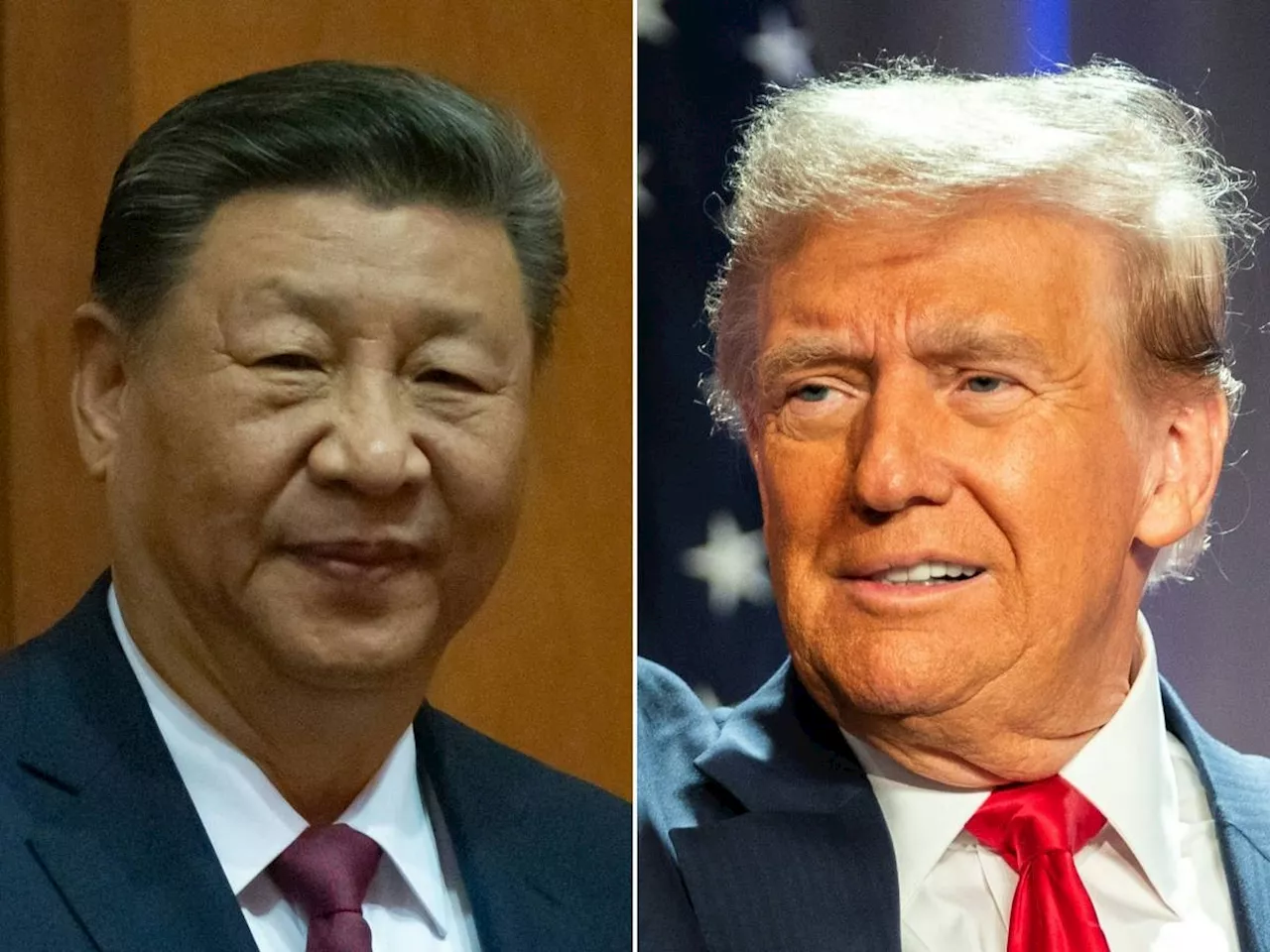 Trump and Chinese leader Xi talk about trade, fentanyl and TikTokWASHINGTON, D.C. — President-elect Donald Trump and Chinese leader Xi Jinping discussed trade, fentanyl and TikTok in a phone call Friday, just days before Trump heads back to the White House with vows to impose tariffs and other measures on America's biggest rival.
Read more »