
MICROSOFT’S recent decision to phase out password support underscores a gradual shift toward passwordless authentication methods rather than signaling an immediate, industrywide transformation, according to Darren Guccione, CEO and co-founder of Keeper Security.
MICROSOFT’S recent decision to phase out password support underscores a gradual shift toward passwordless authentication methods rather than signaling an immediate, industrywide transformation, according to Darren Guccione, CEO and co-founder of Keeper Security.
“The impending elimination of password support by Microsoft would suggest that the industry is rapidly moving towards a future where passwordless authentication is the norm; however, the data tells us another story,” Guccione said. “Microsoft’s decision arrives amid a more gradual transformation, one that is still very much in progress.”Research conducted by Keeper Security found that 40 percent of organizations currently operate using a hybrid model, mixing traditional passwords with newer passkey technologies. Passkeys offer several cybersecurity advantages, including resistance to phishing attacks, ease of use, and secure public-key cryptography. Yet the infrastructure, user behavior, and systems required for their universal adoption remain underdeveloped.Legacy systems continue to depend heavily on passwords, and many organizations perceive the cost and complexity of fully transitioning to passwordless authentication as significant obstacles. As a result, about 70 percent of companies that have committed to passkeys prefer phased implementations, gradually introducing the new technology while continuing to manage password-based access where necessary.However, operating hybrid authentication models also poses security risks. Keeper Security’s report highlights that phishing remains a persistent threat, affecting 67 percent of businesses even where passkeys are in use. Compounding the issue, poor password management persists, with 40 percent of employees reusing passwords across multiple accounts, making organizations vulnerable to credential-based attacks.Guccione emphasizes that businesses should employ strategic layering to mitigate these risks, recommending passkeys be prioritized in high-security contexts such as privileged access and sensitive customer data. Organizations should ensure remaining passwords are robust, unique, and securely encrypted.Keeper Security advocates adopting zero-knowledge architecture and Privileged Access Management platforms to securely manage credentials, enforce multi-factor authentication , protect privileged accounts, and enhance visibility across authentication methods.“The end of passwords in one platform doesn’t signal the end of passwords altogether,” Guccione explained. “It’s a slow and gradual transition that necessitates modern and agile security solutions to meet the demands of today’s hybrid authentication environment.”
Moves Toward Passwordless Authentication
Philippines Latest News, Philippines Headlines
Similar News:You can also read news stories similar to this one that we have collected from other news sources.
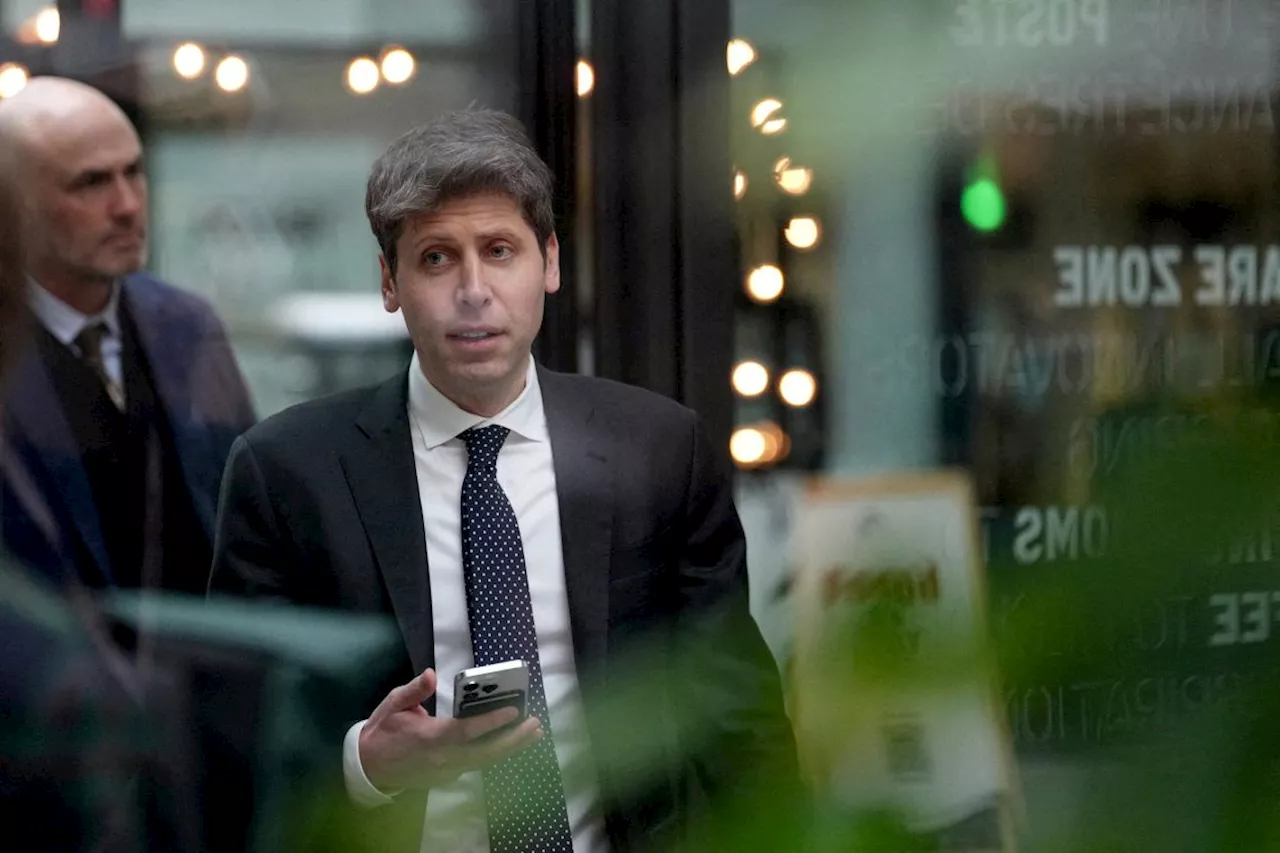 OpenAI CEO Altman says he spoke with Microsoft CEO about future partnership, NYT reportsOpenAI CEO Sam Altman says he discussed the future working partnership of OpenAI with Microsoft in a call with company CEO Satya Nadella
Read more »
 New Microsoft layoffs hit 9,000 employeesThese job cuts, affecting 4% of the workforce, follow a previous round of layoffs in May, which hit 6,000 employees as well as a reported 300 further cuts in June
Read more »
 Microsoft to lay off about 9,000 workersMICROSOFT says it is laying off about 9,000 workers, its second mass layoff in months and its largest in more than two years.
Read more »
 Go backs moves to speed up payments to hospitalsSEN. Bong Go backed the measures taken by the Department of Health (DOH) to address delays in reimbursements under the Medical Assistance for Indigent and Financially Incapacitated Patients (Maifip) program.
Read more »
 Corporate regulator moves to help MSMEsTHE Securities and Exchange Commission (SEC) has approved more than 26,000 pending applications — mostly from the micro, small and medium enterprises (MSME) sector — for company registrations, capital stock increases, and the entry of new investors as part of efforts to reduce a backlog and improve ease of doing business in the country.
Read more »
 Microsoft likely to sign EU AI code of practice, Meta rebuffs guidelinesMicrosoft takes on a supportive stance for AI regulation while Meta argues the 'over-reach will throttle development' of AI models in Europe
Read more »