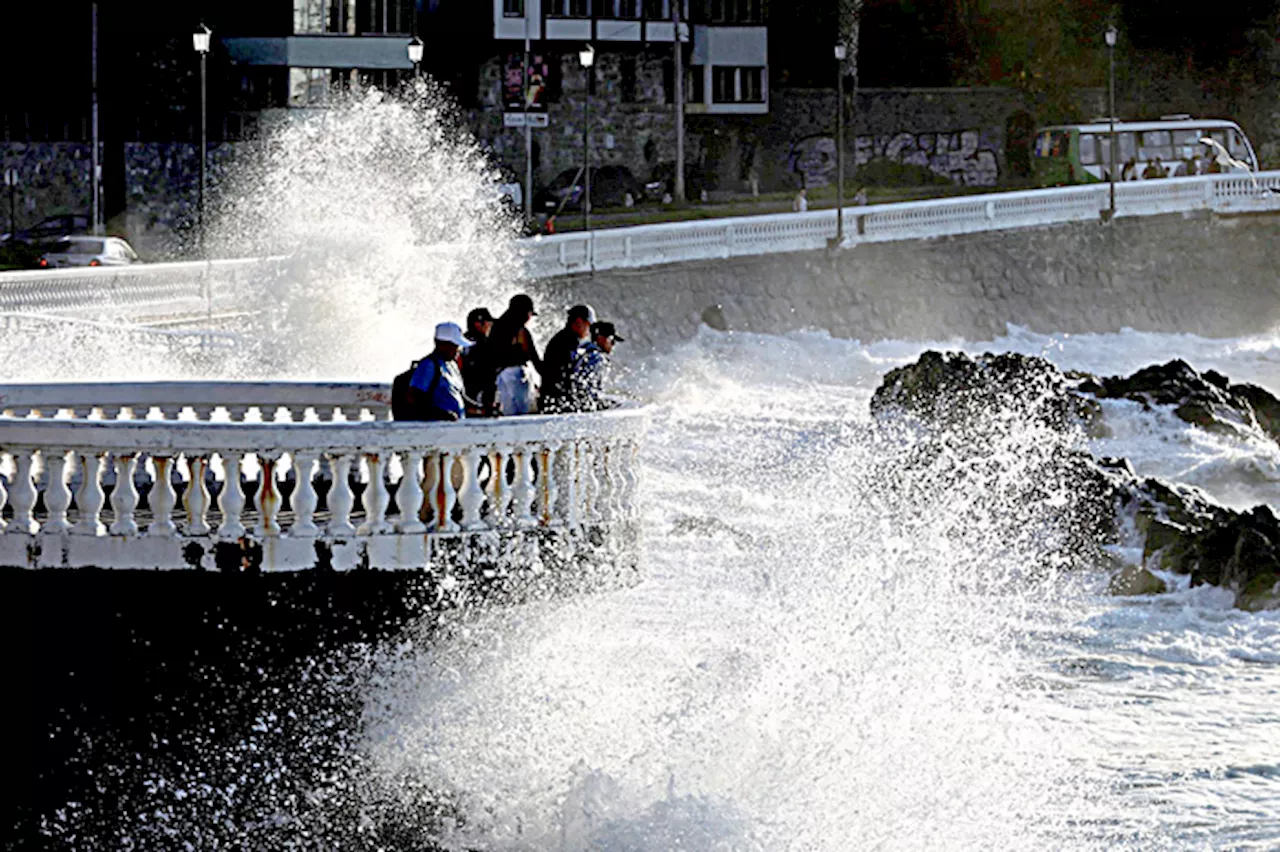
Large waves up to 13 feet high caused by strong winds off the US coast have battered Ecuador, Chile, and Peru, resulting in three deaths and the closure of nearly 100 ports. Authorities warn of potential future occurrences of similar extreme events.
VIOLENT, UNFORGIVING. People watch heavy tidal waves hit in lookout point in Viña del Mar, Chile on Dec. 28. The Chile an National Disaster Prevention and Response Service issued a preventive early warning due to the development of abnormal waves on the continental coastal edge of Chile . Many beaches along the central and northern stretches of the country were closed to prevent risk to human life, authorities said.
In Peru, almost all ports were closed because of the constant battering of waves, the head of the naval Oceanographic Department, Enrique Varea, told the broadcaster Canal N. The waves, according to the Peruvian navy, are being generated off the US coast by winds along the ocean’s surface.
Tsunami Waves Ecuador Chile Peru Ports Weather Natural Disaster
Philippines Latest News, Philippines Headlines
Similar News:You can also read news stories similar to this one that we have collected from other news sources.
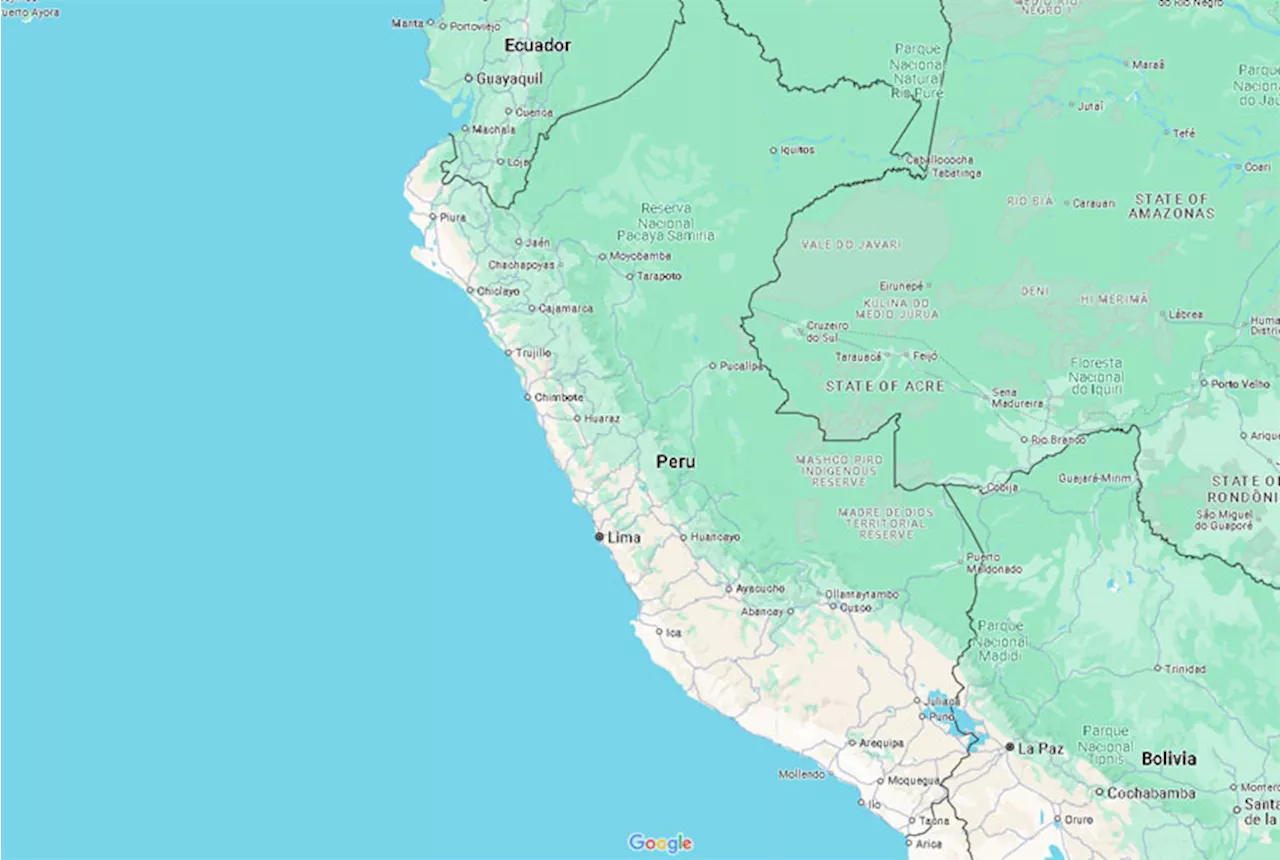 Massive Waves Cause Havoc in Peru and EcuadorGiant waves, spurred by strong winds thousands of kilometers away, wreaked havoc on the coasts of Peru and Ecuador. One fatality has been reported in Ecuador, while Peru closed numerous ports and beaches as a precaution.
Read more »
 Indonesians mark 2 decades after tsunamiBANDA ACEH, Indonesia —Two decades after a catastrophic tsunami destroyed her village, Tria Asnani still cries when she recalls how she lost her mother while trying to escape the giant waves.
Read more »
 Pampanga Giant Lanterns eye historic MPBL crown in DubaiTHE Pampanga Giant Lanterns shoot for the MPBL (Maharlika Pilipinas Basketball League) Sixth Season crown when they tangle with the Quezon Huskers at 7
Read more »
 Maritime cops, Mafar seize P45-M giant clam shellsSunStar Publishing Inc.
Read more »
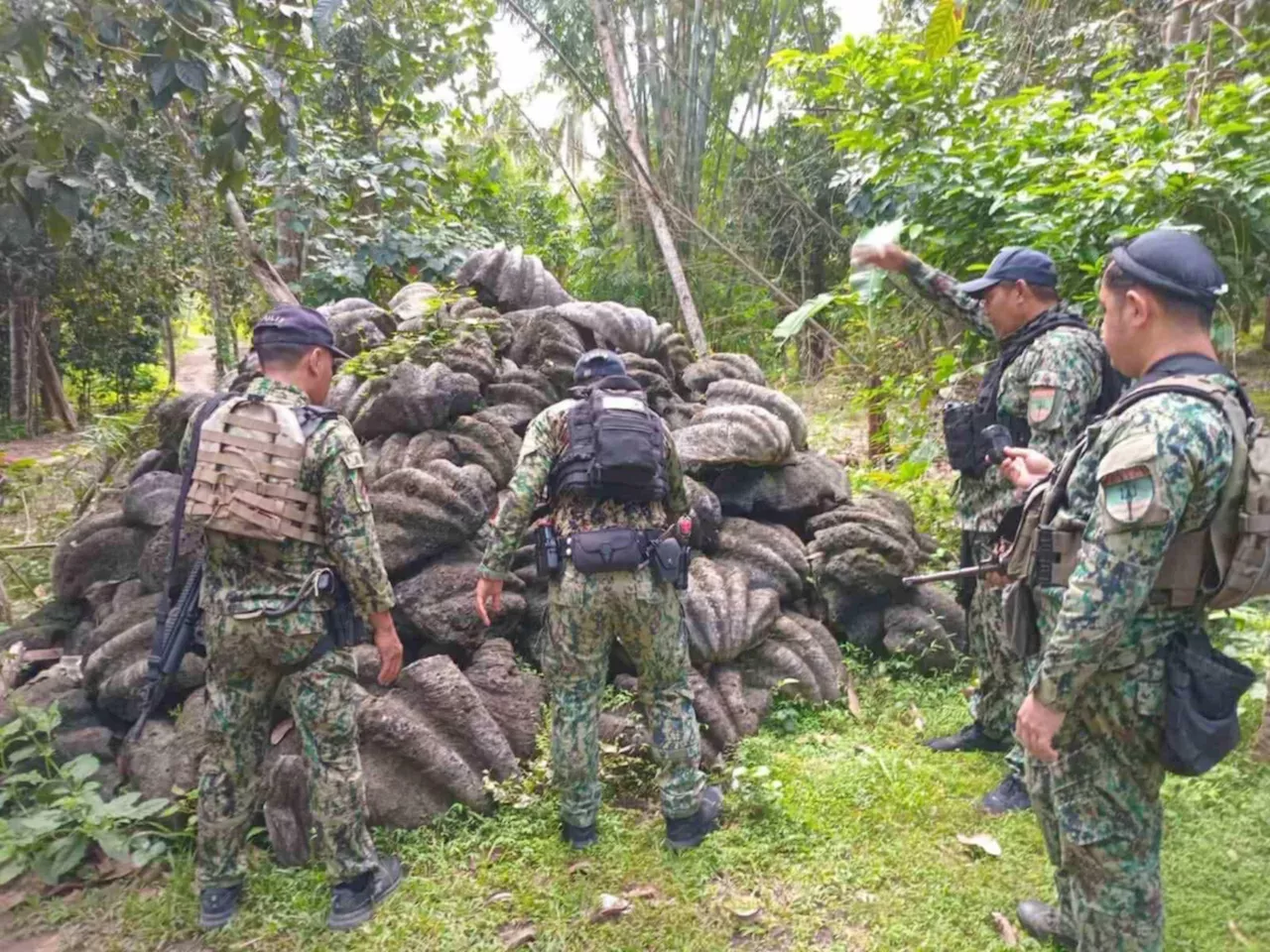 P45-M giant clam shells seized in SuluZAMBOANGA CITY - Authorities seized 30 tons of giant clam shells locally known as “taklobo” during an operation in Patikul, Sulu last Monday, Dec. 9.
Read more »
 Smuggled giant clams seizedSunStar Publishing Inc.
Read more »