
“If we want people to embrace digitalization, then securing their data isn’t optional—it’s foundational” We keep hearing it: digitalization is the future.
“If we want people to embrace digitalization, then securing their data isn’t optional—it’s foundational”Faster services, smarter systems, more transparency.No matter how many platforms the government rolls out, if people don’t trust that their data is safe, they won’t use them.
Over the past three years, major Philippine agencies have suffered serious breaches.In 2024, the Department of Science and Technology saw internal research exposed. And earlier this year, the Department of Foreign Affairs reported intrusion attempts, likely by foreign actors, though no confirmed breach was disclosed.According to Microsoft’s 2024 Digital Defense Report, its systems detect over 600 million attacks daily, many aimed at critical infrastructure. East and Southeast Asia—including the Philippines—are now key targets. State-linked groups like Flax Typhoon and Granite Typhoon have tracked US–Philippine military exercises and probed government networks . Microsoft also flagged a rise in credential theft via cloud-based platforms like SharePoint and OneDrive—tools many Philippine agencies use. Phishing and malware remain dominant, now supercharged by AI. Microsoft tracks more than 1,500 threat groups worldwide, including 600 tied to governments. Local data paints a similar picture. In 2024, the Department of Information and Communications Technology blocked 5.4 million attacks targeting just 32 agencies. Kaspersky recorded an 800% surge in daily threats—about 8,800 per day—mainly against education and public sector systems . Cyberint reported over 315,000 stolen credentials in the Philippines during the first half of 2024 alone. Large private enterprises that collect personal data are prime targetts. In June 2024, Jollibee Foods Corporation confirmed a breach affecting over 11 million customers—names, phone numbers, and birthdates included.In 2017, the DICT introduced the Cloud-First Policy through Department Circular 2017-002. It aimed to move agencies away from fragmented, outdated systems—servers housed in offices, no integration, minimal defenses.Cloud migration promised stronger security, scalability, and cost-efficiency. But there’s a trade-off: data can now reside in centralized centers inside or outside the Philippines. That opens up questions of control, oversight, and legal jurisdiction—especially when sensitive information sits on foreign infrastructure. That’s why the National Cybersecurity Strategy Plan 2023–2028, issued under Executive Order 58, s. 2024, is critical. It supports the Cloud-First shift but mandates tighter standards: minimum cloud security protocols, access controls, risk management, and resilience across hybrid or cross-border systems. The DICT has been pushing national government agencies to shift to the cloud. Though there has been some compliance, the volume of hacking incidents only show the vulnerability of government data. This is the real picture: cyber threats are escalating in volume and complexity. What used to be rare, isolated incidents are now ongoing campaigns by highly capable groups—some with nation-state backing, others profit-driven.For companies, breaches mean reputational damage and legal risk. For government, it means a loss of legitimacy.But the public won’t fully adopt them if they don’t feel safe. People aren’t just looking for convenience—they’re asking for protection. They want assurance that their health records won’t end up on the dark web, and that their national IDs won’t be exploited for scams. This is why simply moving data to the cloud isn’t enough. Without strong enforcement, the cloud just shifts risk instead of managing it—especially when the data lives in servers beyond our borders. Trust doesn’t come from sleek websites or mobile apps. It comes from consistent, visible, and enforced protection. The government now has the right policies in place—the Cloud-First Policy to modernize infrastructure, and the NCSP 2023–2028 to raise the bar on security.If we want people to embrace digitalization, then securing their data isn’t optional—it’s foundational. And rebuilding trust won’t start with technology. It will start with proving that the institutions asking for our data are ready to protect it.
Philippines Latest News, Philippines Headlines
Similar News:You can also read news stories similar to this one that we have collected from other news sources.
 Broadcaster in Iloilo City guilty of 3 counts of cyber libelLatest Philippine news from GMA News and 24 Oras. News, weather updates and livestreaming on Philippine politics, regions, showbiz, lifestyle, science and tech.
Read more »
 Asia-Pacific most cyber-attacked region worldwideACCORDING to IBM's X-Force Threat Intelligence Index 2025, the Asia-Pacific region bore the brunt of cyberattacks in 2024, accounting for more than one-third of global cyber offensives.
Read more »
 Cyber Revolution Summit 2025: Strengthening PH digital defensesAS the Philippines accelerates its digital transformation, the nation faces escalating cybersecurity threats.
Read more »
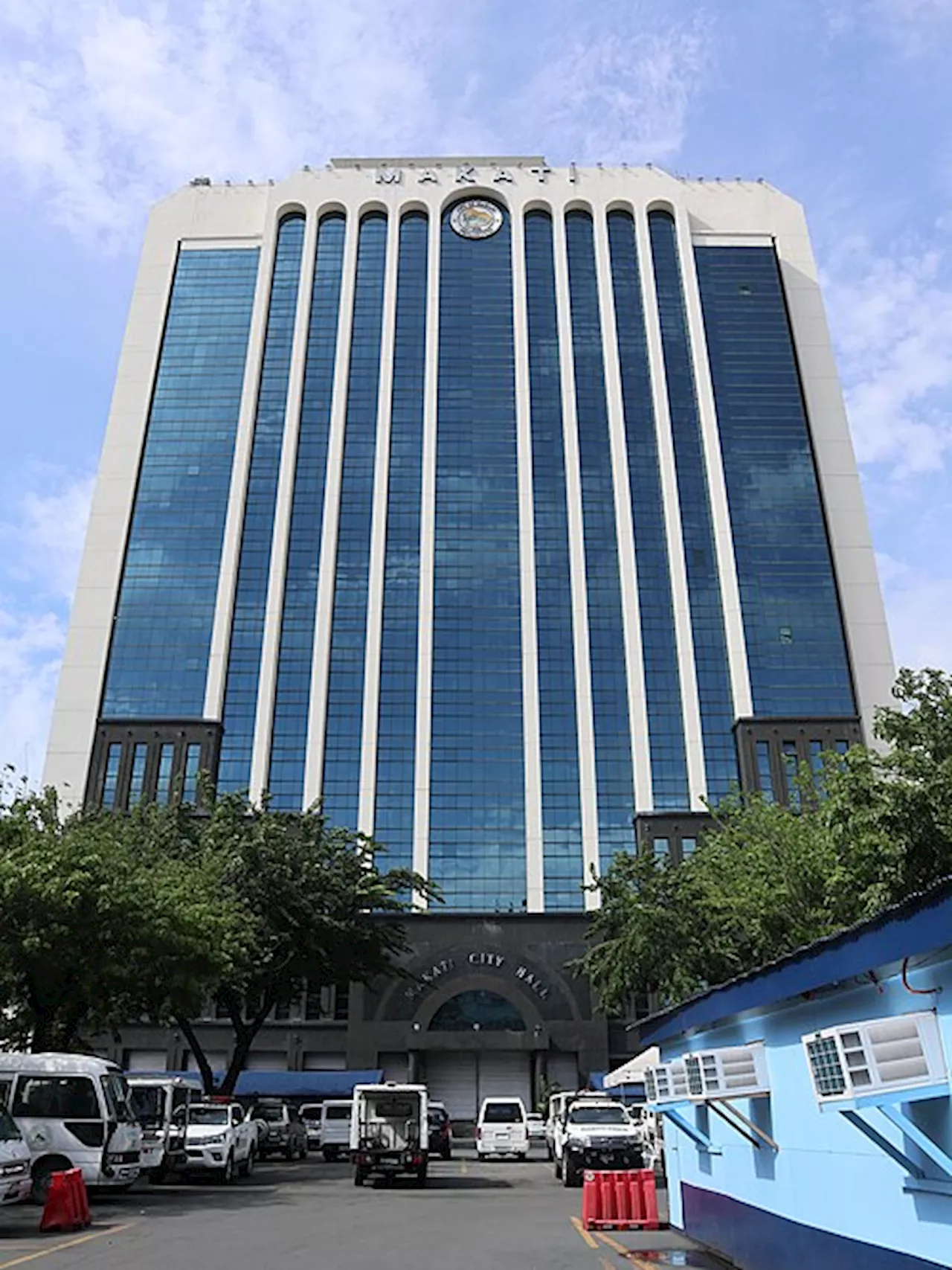 Makati City Reaches 82% of 2024 Revenue Target Driven by Digital Innovation and Strong Investor ConfidenceMakati City, a leading investment destination in the Philippines, has exceeded revenue collection targets for the first four months of 2024, showcasing its commitment to digitalization and fiscal responsibility.
Read more »
 Volvo cars will soon get ‘adaptive seatbelts’Even seatbelts aren't immune to digitalization
Read more »
 Meralco misses BCL Asia semis after blowing double-digit lead vs Mongolian clubCoach Nenad Vucinic concedes Meralco 'deserved to lose that game' as the Bolts fall to the Ulaanbaatar Xac Broncos in the quarterfinals of the Basketball Champions League Asia despite a double-digit cushion
Read more »